Nov 2025
Marketing Analytics • Statistical Modeling • Customer Segmentation
Conducted regression analysis in R on 2,094 consumer
surveys to identify behavioral predictors of payment
method diversity. The analysis revealed that payment
behavior explains 42.3% more variance than demographics,
with digital adopters using 2.55x more payment methods.
Developed four customer segments that informed a shift
from demographic to behavior-based marketing strategy.
Tools: R, Linear Regression, ggplot2, dplyr, Statistical Testing
Key Outcome: Four actionable customer segments enabling targeted
marketing and resource optimization
 Sep 2025
Policy Analysis • Data-Driven Research • Economic Impact Study

Performed hypothesis-driven analysis in SPSS using multi-source economic
and education data (2018–2021) to assess India’s educational resilience
during COVID-19. Findings demonstrated education funding stability
despite -5.78% GDP contraction and identified state income as a
significant predictor of dropout rates. Provided evidence-based
policy recommendations for crisis-responsive education planning.
Tools: SPSS, Regression Analysis, T-Tests, Data Integration
Key Outcome: Data-supported policy framework for protecting education budgets during economic downturns
Nov 2025
Business Intelligence • ETL • Data Visualization
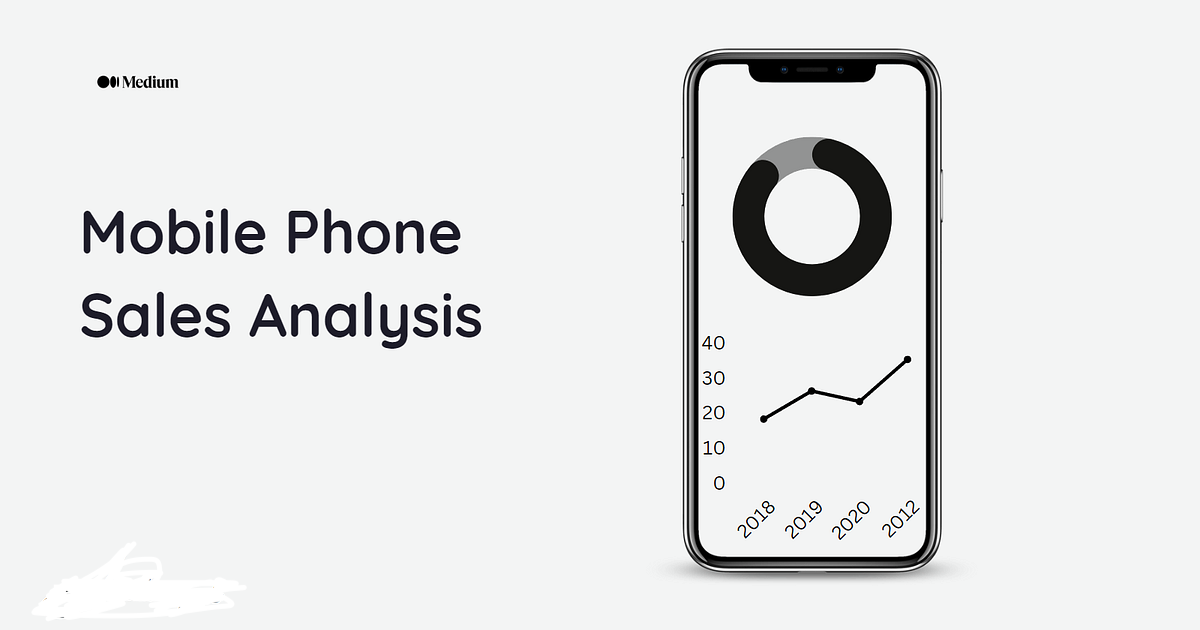
Built an end-to-end sales analytics dashboard using Power BI,
performing ETL with Power Query, designing a star-schema
data model, and creating DAX measures. The dashboard analyzes
sales performance across brands, regions, and time periods,
revealing that Apple and Huawei achieve the highest customer
ratings (>4.2) while Xiaomi and Oppo dominate unit sales through
price-sensitive strategies.
Tools: Power BI, Power Query, DAX, Data Modeling
Key Outcome: Automated sales reporting system tracking $5B revenue across 8M units sold
August 2025
SQL Analytics • Statistical Testing • Public Health Research
Performed SQL-driven analysis on the Open Food Facts database to investigate
relationships between food processing levels, health marketing labels, and
nutritional content. Findings demonstrated ultra-processed foods contain 68%
more fat than minimally processed foods (p=0.021) and revealed that "Organic"
and "Vegan" labels do not reliably indicate better nutritional profiles for
sugar, saturated fat, or sodium. Provided evidence-based recommendations for
consumer education and food labeling policy reform.
Tools: SQL, Statistical Testing (t-tests), Data Extraction, Hypothesis Testing
Key Outcome: Data-supported consumer guidance and labeling policy framework for healthier food choices
Jan 2026
Predictive Analytics • Healthcare Economics • Python Modeling

Built and validated a multiple linear regression model in Python to
predict individual medical insurance charges based on demographic
and health risk factors. The analysis revealed that smokers incur
4.7x higher expected charges than non-smokers, with age and BMI
also showing significant predictive power. Implemented robust
statistical diagnostics and achieved 78% explanatory power on
unseen test data.
Tools: Python, Linear Regression, Statistical Diagnostics, HC3 Robust Standard Errors
Key Outcome: Interpretable pricing model for insurance risk assessment and premium calculation